 ©3 スポット
Devrim otomobilinden İnönü karargahına: Eskişehir'in üretim ve Kurtuluş Savaşı hafızası
@dumpeditor
A half to full day that follows how knowledge was kept in Samarkand: painted walls from the Sogdian age, a 15th-century observatory on a hill, and a workshop where paper is still made from mulberry bark. Best for curious travellers who like learning how things were made.
3 ステップ · 4.5 km
順番どおりに、起きたその場所で。
Afrosiyab Museum
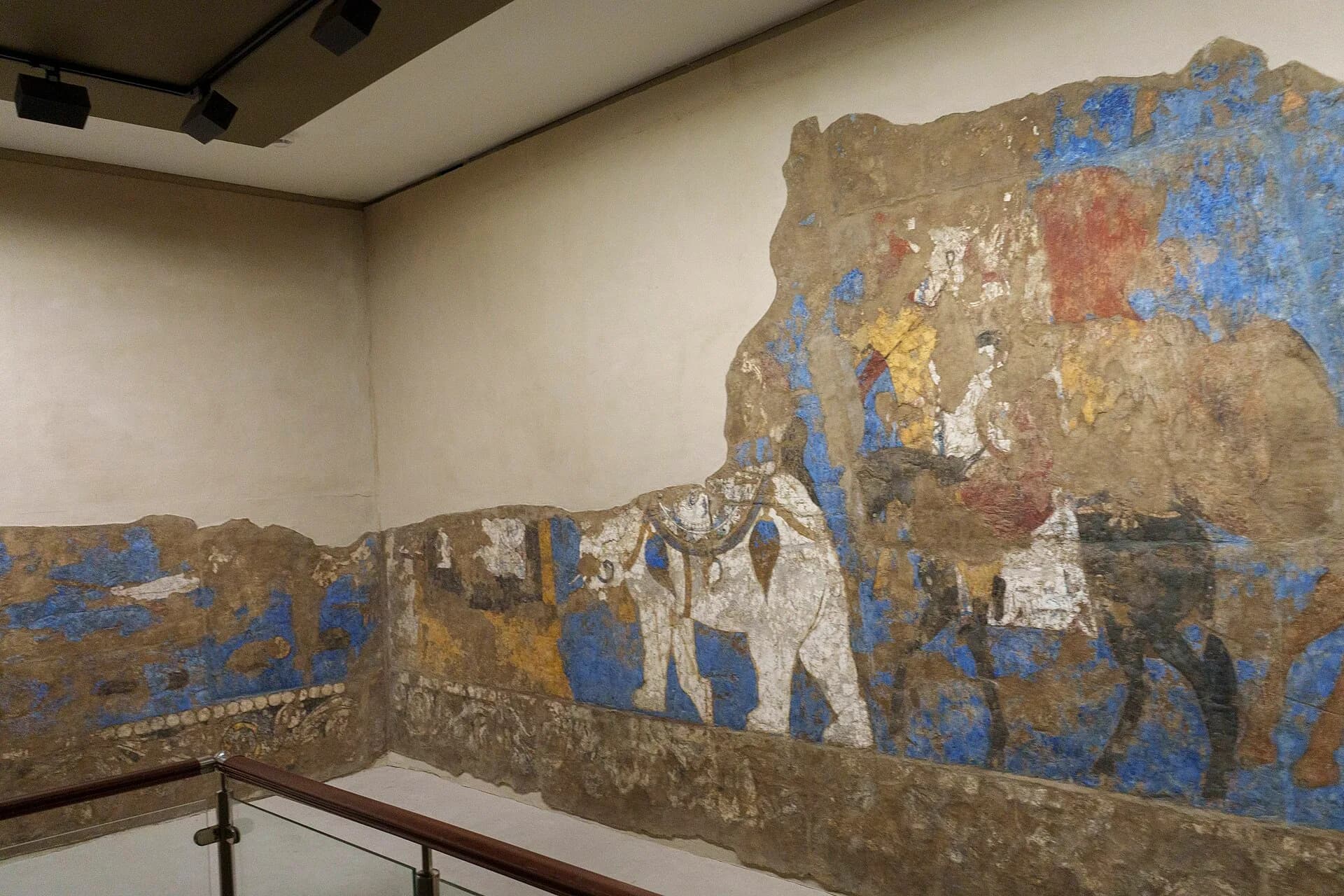
Start at the Afrosiyab museum, which sits on the old Afrasiab mound north of the centre. The big draw is the room with the 7th-century wall paintings found in 1965 during road building, showing envoys paying respect to a Sogdian king. Give the details time, because the figures and gifts are painted with care. Go early, when the hall is quieter.
Ulugh Beg Observatory
From the museum it is a short taxi hop up Kuhak Hill. Ulugh Beg's observatory was a three-storey round building, and what remains is the underground curve of a huge marble sextant, found by an archaeologist in 1908. Walk down the covered passage into the trench to feel the scale, then visit the small museum beside it with models and explanations. The steps and uneven ground are worth good shoes.
Konigil Meros Paper Mill
Take a taxi east to the village of Konigil on the Siab river. The Meros mill revived Samarkand paper in 1995 and still makes it by hand from mulberry tree bark, which makes a fitting finish after the observatory: this is the kind of paper that carried manuscripts. Follow the stages from bark to pressed sheet, then try writing on a sheet yourself. Samarkand paper was registered as a geographical indication in 2025, so a few sheets make a good souvenir.
アプリで開いて自分用にコピーし、一か所ずつ体験しましょう。
この Dump があなたの権利を侵害していますか? 報告する